
Our services
Six services, from the first desk study to long-term monitoring, that help projects understand, protect and improve biodiversity.
Biodiversity surveys powered by advanced tools
Surveys carried out by experienced ecologists who specialise in the following groups.
- Bats
- Birds
- Reptiles
- Amphibians
- Insects
- Flora
On-the-ground field surveys combine:
- Standard field survey methods
- Bioacoustics for bat and avifaunal surveys
- DNA-based identification for rapid multi-species biodiversity detection across habitats
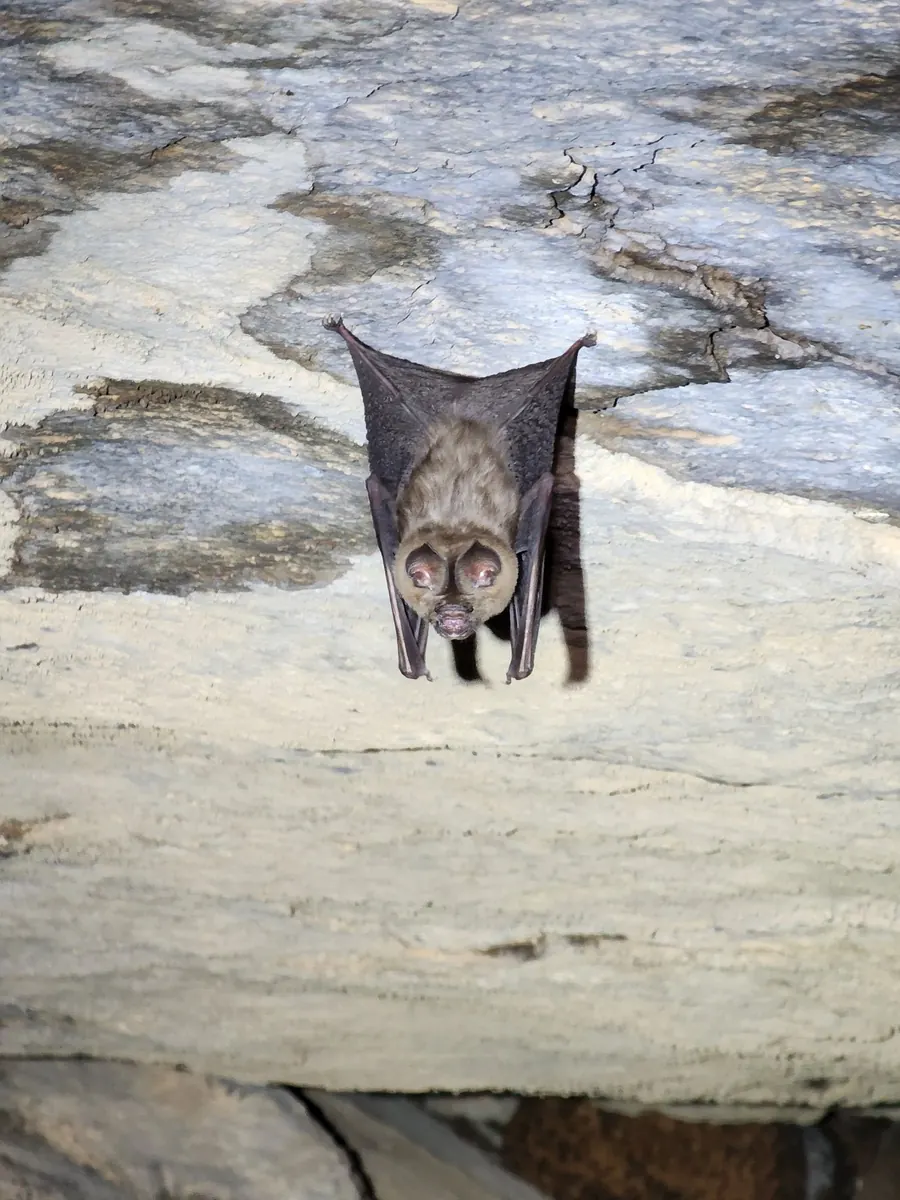
Ecological Impact Assessment (EcIA) reports
An assessment of how a proposed project could affect habitats and species, to inform planning decisions.
Our reports set out the findings clearly and recommend measures for mitigation, conservation or offsetting. EcIA forms the ecological part of an Environmental Impact Assessment (EIA). Where an EIA isn't required, it shows how a project meets planning policy and legislation.
What you receive
- Baseline of habitats, species and ecological features
- Evaluation of likely impacts and their significance
- Mitigation, conservation and offset recommendations
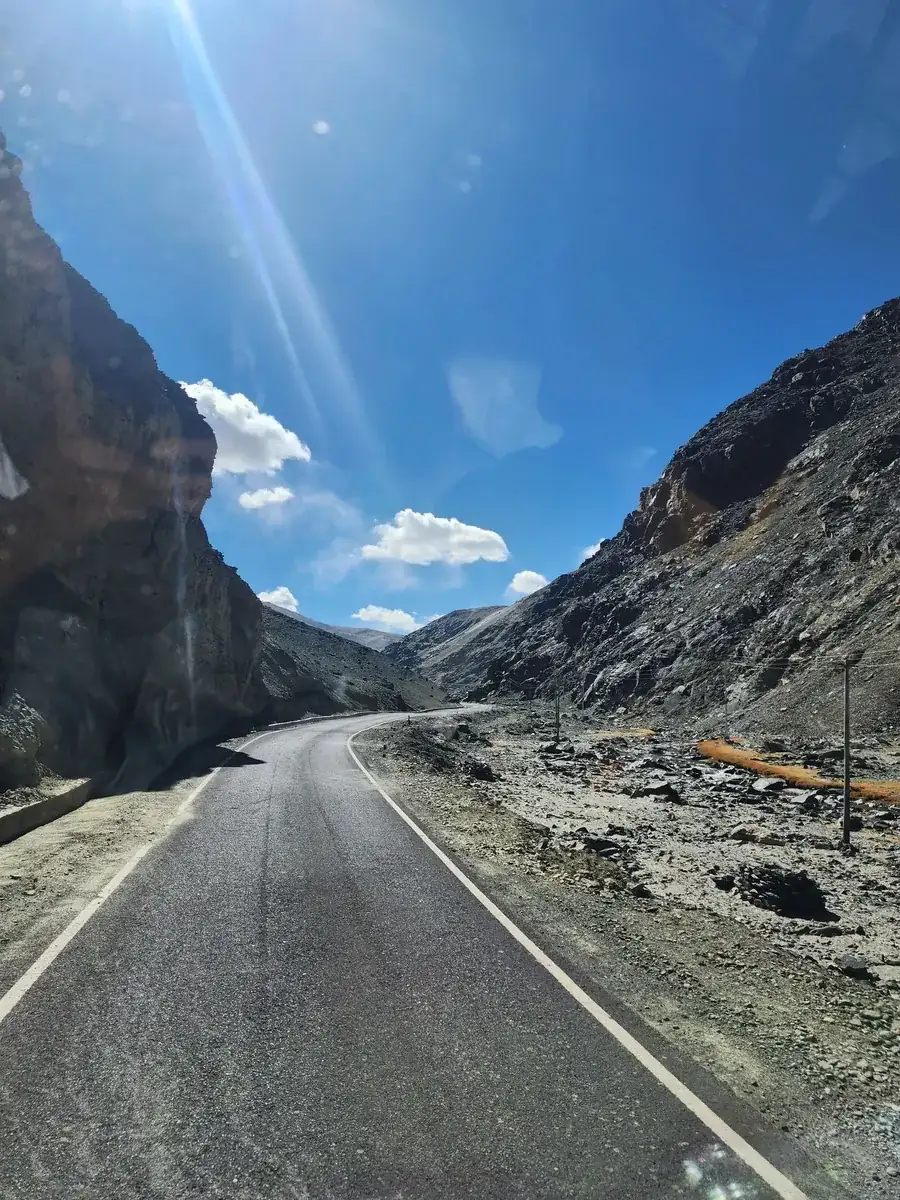
Desk-based habitat mapping & LULC assessment
We classify, map and measure habitat types using geospatial databases together with historical and research data.
- Accurate baseline assessment
- Detect land-use and habitat change over time
- Identify areas for biodiversity preservation and prioritise improvements
- Inform decisions at each stage of the project
Because it needs no site visit, a desk-based assessment costs less, shows risks early and helps target any later fieldwork.
Get a habitat map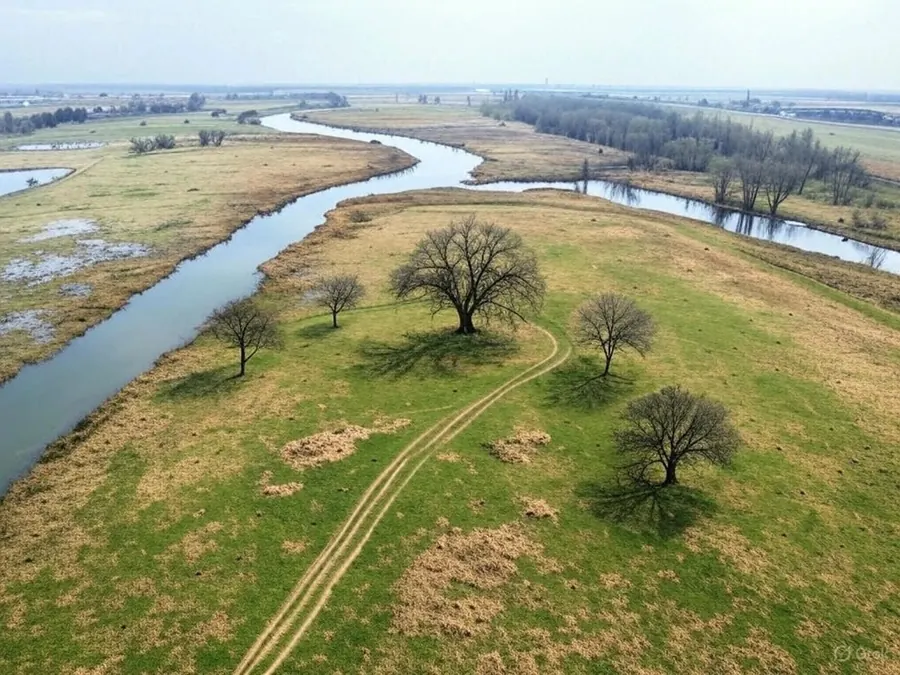
Biodiversity enhancement plans
Biodiversity enhancement and restoration plans designed for each site, taking account of ecological, social and carbon-credit goals.
- Afforestation
- Reforestation
- Agroforestry
- Habitat restoration
Each plan is based on the site's baseline survey, so the measures are realistic, measurable and long-lasting.
Plan an enhancement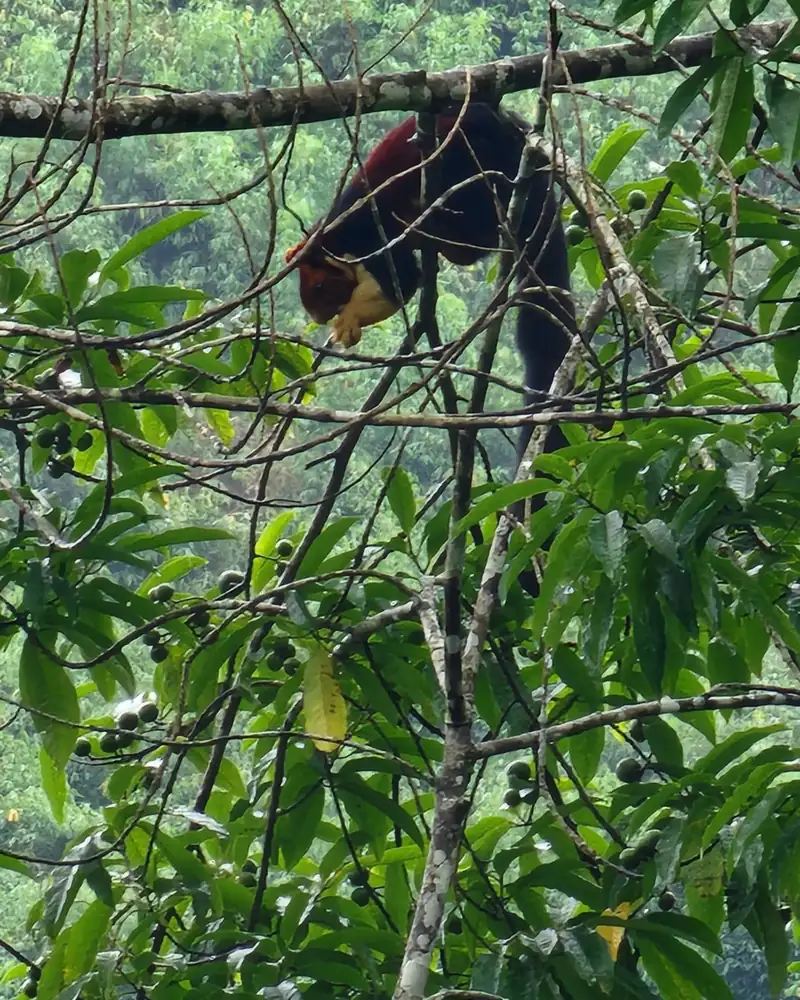
Nature-based solutions & carbon-credit readiness
We work as the ecological implementation partner on reforestation, agroforestry, habitat restoration and other nature-based solutions.
We can provide MRV-ready data (measurement, reporting and verification) for high-integrity carbon-credit projects, including records of the benefits for biodiversity.
- Ecological baselines for project design
- Biodiversity monitoring through implementation
- Data structured for MRV and verification
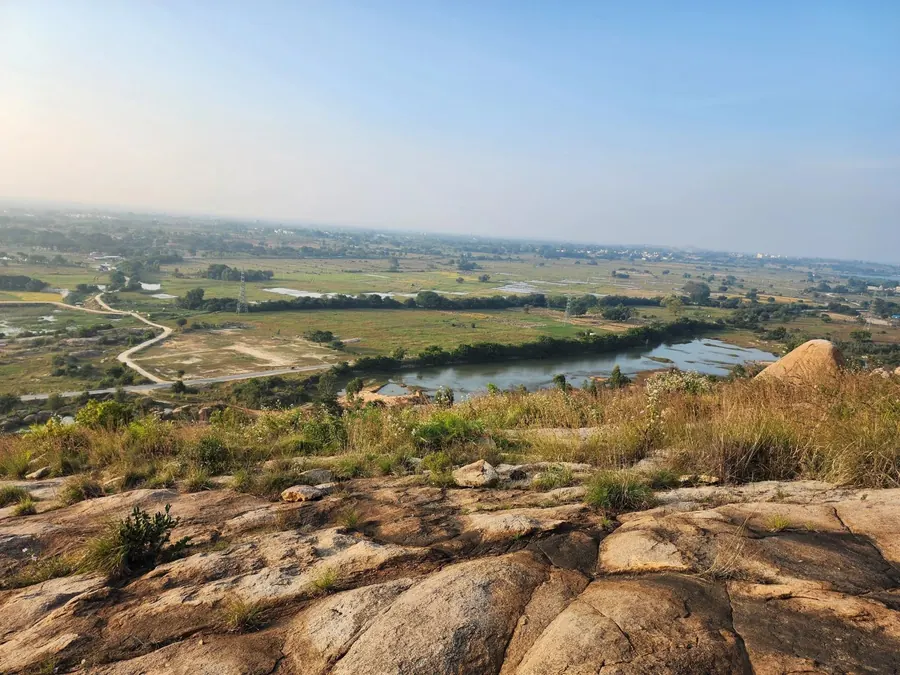
Research & development
We research new methods in ecology, biodiversity, sustainable resource use and nature-based solutions.
If you have a research question, a pilot study or a method you'd like to test, we work with organisations and researchers on applied ecological research.
- Molecular ecology
- Bioacoustics
- Geospatial analysis
- Nature-based solutions
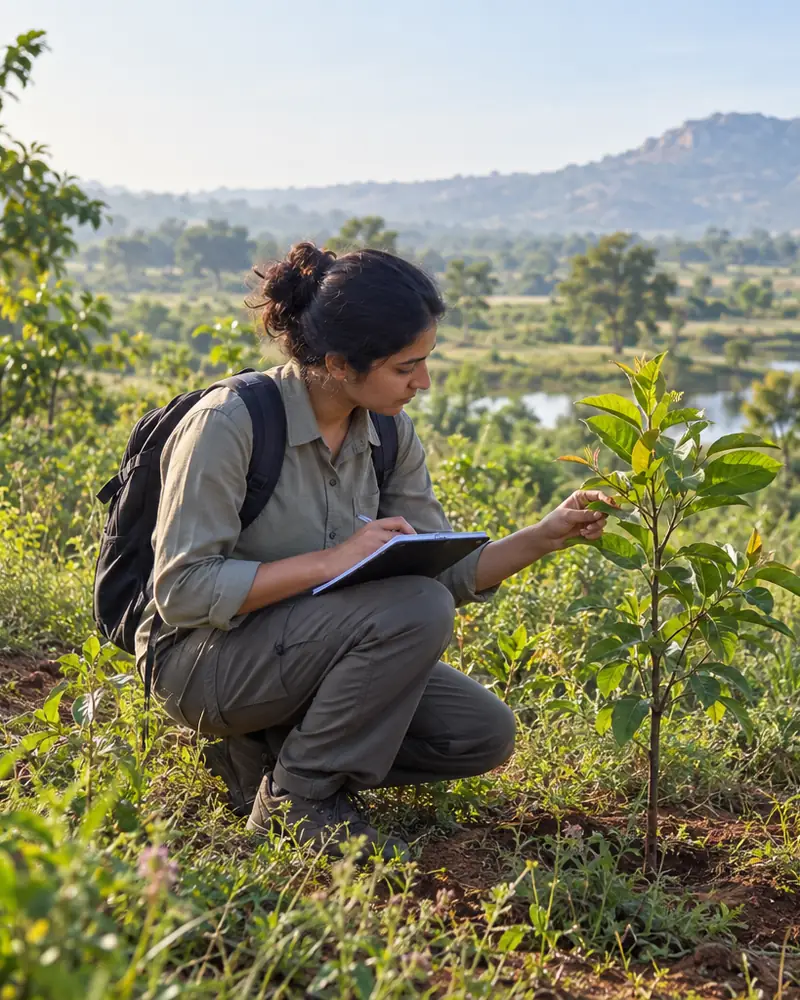
How a project runs
Scope
A discovery call to understand your site, objectives, timelines and regulatory context.
Desk study
Geospatial and historical data review to map habitats and flag constraints early.
Field survey
Targeted surveys using field methods, bioacoustics and DNA-based identification.
Report & plan
Clear reports with recommendations for mitigation, enhancement and monitoring.
What is Ecological Impact Assessment (EcIA)?
EcIA is the process of identifying, quantifying and evaluating the potential effects of development-related or other proposed actions on habitats, species and ecosystems.
How will my project benefit from an EcIA?
EcIA provides the ecological component of an Environmental Impact Assessment (EIA). When EIA is not required, EcIA demonstrates how a project accords with relevant planning policy and legislation.
What is habitat assessment?
Habitat assessment is the process of evaluating the quality and suitability of a particular habitat for a specific species or group of species, with the goal of identifying ways to improve or restore the habitat.
Why is a habitat assessment important?
- To understand the existing habitat types of a site.
- To understand the existing biodiversity of a site.
- For informed planning, design, land management and decision-making.
- To identify habitats that are rare, irreplaceable, or require close attention and monitoring.
What is a desk-based habitat assessment?
Habitat types and important ecological features on a site are identified using existing historical, local and satellite data, without a field visit.
- Cost-effective and time-saving: a quick overview of ecological issues before investing in detailed field surveys.
- Early risk identification: identifies ecological constraints and risks early in the planning process.
- Informed decision-making: supports better planning and design by highlighting areas requiring ecological attention.
What is a wildlife survey?
A wildlife survey assesses the presence and abundance of wildlife in a specific area, typically to inform land-management decisions or to comply with environmental regulations.
What kind of ecological services does Nisarg Setu offer?
A wide range of ecological services, including ecological impact assessment reports, field surveys, wildlife surveys, habitat assessments, habitat mapping, ecological management plans, natural resource management and nature-based solutions for carbon projects.
Why choose Nisarg Setu?
- Experienced team: ecologists with years of experience in biodiversity conservation and habitat assessment, using molecular analysis, telemetry and GIS.
- Remote-first: we work with clients in India and abroad and bring local ecological knowledge to each project.
- Methods to suit your project: every site is different, so we plan our work around your goals.
Not sure which service you need?
Book a 30-minute call and we'll help you work out what your project needs.